Field notes: the week a basin advisory named the county
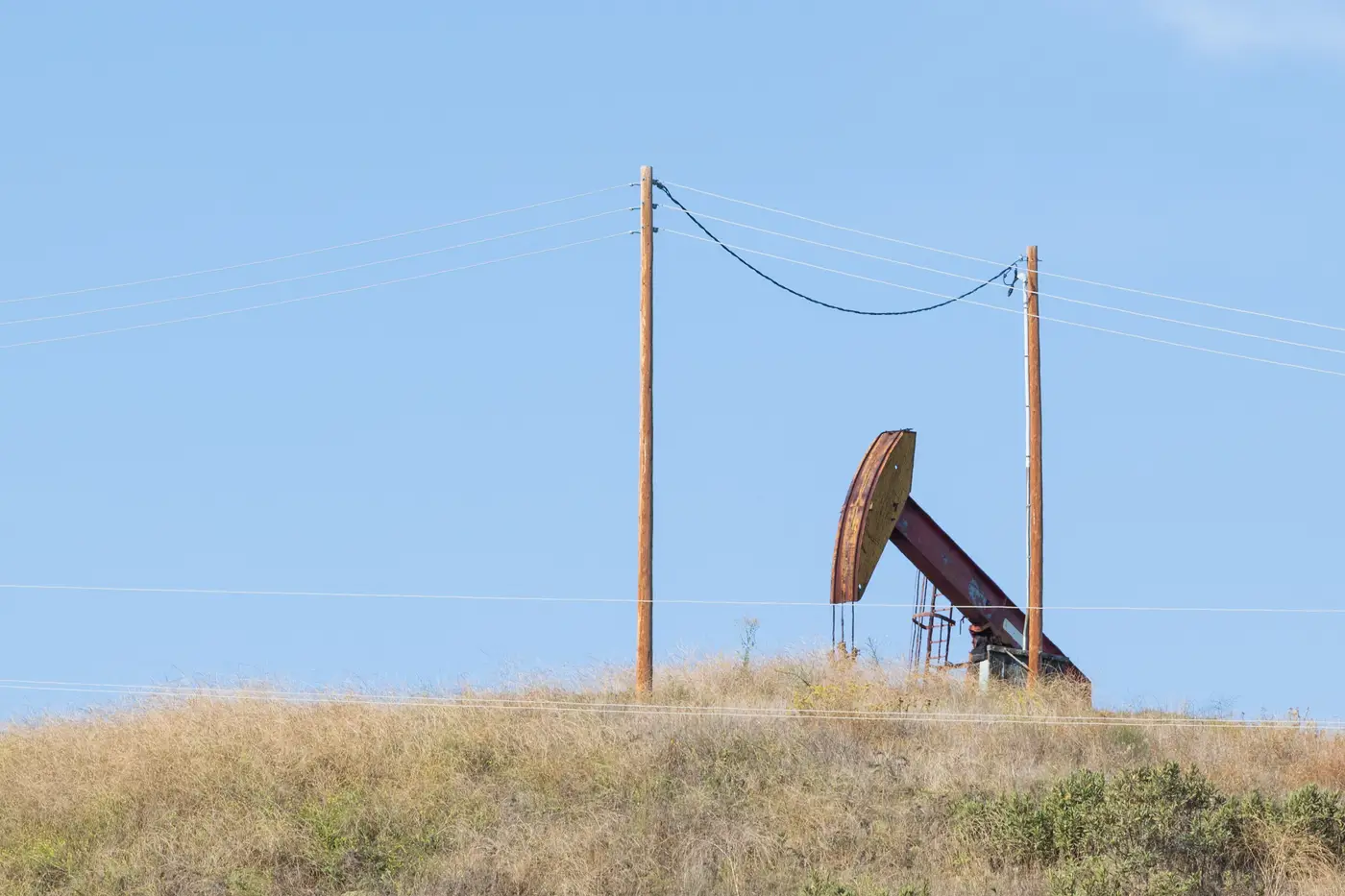
The advisory came in on a Tuesday, the way they usually do. Basin-level, county named, timestamp from a pass three days prior. Methane detected, magnitude large enough to warrant a notice, source unresolved. Somewhere in that county we've got three pads: a wellhead battery north of the county road, a compressor station we lease capacity at, and a smaller pad that's mostly just tanks and a separator.
So now it's Tuesday afternoon and I'm staring at a polygon the size of a township, and the question I need answered by end of day is which one of three specific points on a map is leaking.
This is the part of MRV work nobody puts in the job posting. The advisory isn't wrong, exactly. It did its job, which is flagging that something happened somewhere in a fifteen-mile stretch of gas patch. But "somewhere" doesn't help you write the root-cause report, doesn't tell field ops where to send a truck, and doesn't tell your investor relations team what to say when the question comes in Thursday morning. A county-level alert and a site-level problem are two different documents, and for a few days every quarter I end up being the translation layer between them.
The old playbook for that translation is calling the three pad operators and asking if anyone's noticed anything. Pressure drop, a stuck valve, a tank hatch left open after a gauge run. Sometimes that works. More often you get three "nothing unusual here" answers and a growing pile of days between the advisory and a finding, which is its own kind of problem when someone's asking you to close the loop.
What moved things along this time was pulling the daily per-site imagery for the week the advisory covered and going pad by pad through what the SWIR signature showed on each one. The battery was clean the whole window. The small tank pad had a faint hit on one day that resolved by the next pass, probably a load-out or a thief hatch that got buttoned back up. The compressor station had a plume on three consecutive days before it cleared, which lines up almost exactly with a maintenance log entry about a seal replacement on one of the units. Three pads, one clear answer, and I had it by Wednesday afternoon instead of waiting on a callback chain or the next scheduled flyover that might've been weeks out.
I've started thinking of the basin advisory as the smoke detector and the per-site record as the arson investigator. One tells you something's wrong in the building. The other tells you which room, and whether it's still burning or already out. You need both, but you can't write a report off the smoke detector's output alone, and for a long time that was the only tool a lot of us had for anything finer than "it's somewhere in this county."
The negative result changed my week more than the headline plume did. Being able to say, with a specific daily record behind it, that the battery was clean the entire advisory window closed two-thirds of the question in one sitting and let me put my attention where it belonged.
None of this replaces the advisory. It's still the thing that tells you to go look. But "go look" and "here's what each of your three pads was doing that week" are different deliverables, and only one of them lets you close out an incident report with a specific date and a specific unit number attached. If you're the one fielding that advisory and need to get from a county name to a pad name before someone else asks, a daily per-site record built for exactly that handoff is what Methane Plume Map delivers. Point it at your pads and see what the week looked like.